
Key Takeaways
- Low impact exercise protects your joints while keeping your body strong and mobile.
- Options like walking, tai chi, water aerobics, and chair-based moves work at any fitness level.
- Consistency matters more than intensity, so starting slow is the right move.
- A supportive environment with wellness programs can make staying active feel natural and enjoyable.
Why Movement Feels Different as You Age
You may have noticed that certain workouts that felt easy years ago now leave your knees aching or your energy drained. That’s not a reason to stop moving. It’s a reason to move smarter. Low impact exercise gives your body the activity it needs without the wear that comes from high-intensity routines.
The best low impact exercises for seniors protect your joints, support your balance, and keep you feeling capable and energized every day. Whether you’re just getting back into a routine or looking to mix things up, there’s a comfortable starting point for every body. And with National Senior Health & Fitness Day on May 27, there’s no better time to build healthy movement habits that feel realistic and sustainable.
Why Low Impact Exercise Matters as You Age
Your joints, bones, and muscles still respond to movement, and regular activity keeps them strong. Low impact exercise puts less stress on your body while still delivering real results. That means you can stay active longer without risking injury or burnout.
Balance and mobility are 2 of the biggest factors in staying independent as you get older. When you work on these regularly, everyday tasks like walking to the kitchen or climbing stairs feel easier and more confident. Beyond the physical side, movement also lifts your mood and helps you sleep more soundly at night.
Top Low Impact Exercises to Try
Move Your Body, Protect Your Joints
Walking is one of the simplest ways to get started. It’s weight-bearing, which helps maintain bone density, and you can adjust the pace and distance based on how you feel that day. Even a 10-minute walk around the block is a meaningful start. Research shows that regular walking supports heart health, blood sugar control, and mental well-being in older adults.
Tai chi uses slow, flowing movements that challenge your balance and coordination in a gentle way. It’s often practiced outdoors or in group settings, which adds a social element that makes it even more rewarding. Water aerobics is another great choice because the water supports your body weight, giving you a full workout with almost no pressure on your joints. Aquatic exercises can be especially beneficial for those managing joint discomfort or looking for a refreshing change of pace.
Strength and Flexibility at Any Fitness Level
You don’t need a gym or heavy equipment to build strength. Chair squats and seated leg lifts target the lower body, helping you stay steady on your feet. Wall push-ups and arm circles tone your upper body without putting stress on your shoulders or wrists.
Yoga and Pilates bring core strength and flexibility into the mix. A stronger core supports better posture and reduces the risk of falls. Both practices can be modified for any fitness level, so you can meet your body exactly where it is right now.
Simple Tips to Exercise Safely and Consistently
Starting slow is not a setback, it’s a smart strategy. Your body needs time to adjust to new movement patterns, and rushing the process often leads to soreness or discouragement. Gradually adding more time or intensity as you feel ready keeps the momentum going without the strain.
- Pay attention to how your body feels during and after exercise.
- Rest days are part of the process, not a sign of weakness.
- Focus on proper form, especially with strength-based moves, to get the most benefit and avoid injury.
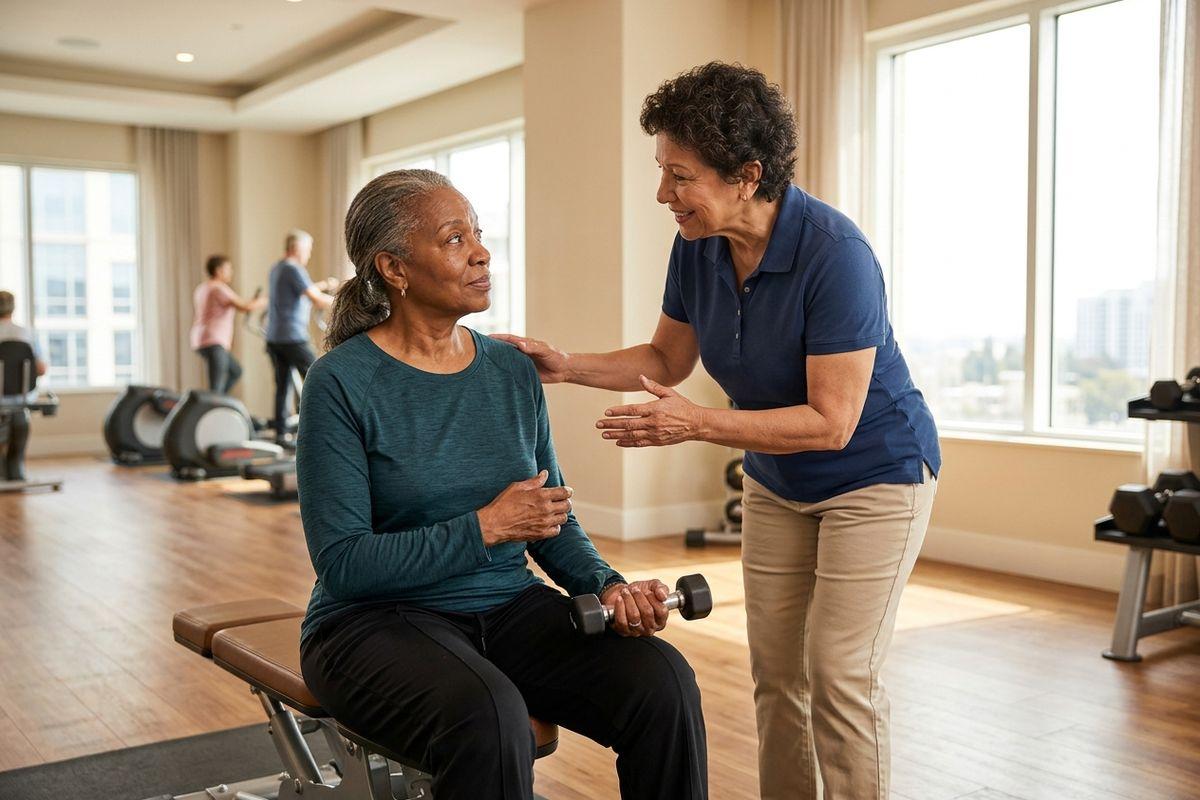
- Consider working with a wellness professional when you’re learning something new.
How to Stay Active at Home Every Day
Easy Moves That Fit Into Daily Life
You don’t need a dedicated workout session to stay active. Gentle neck stretches can release tension while you’re watching TV or sitting at a table. A few shoulder rolls in the morning can make a real difference in how you feel throughout the day.
Chair-based exercises are especially accessible because they require no special equipment and can be done in almost any room. They’re a great option on days when you want to move without leaving the house or when your energy is a little lower than usual.
What a Healthy Daily Routine Can Look Like
Aiming for around 30 minutes of movement most days of the week gives your body consistent support. That doesn’t have to be 30 minutes all at once. 3 10-minute sessions spread throughout the day count just as much and can feel more manageable.
Mixing cardio, strength, and stretching throughout the week keeps your routine balanced. A walk in the morning, a few chair exercises after lunch, and some light stretching before bed adds up to a full and varied routine. The National Institute on Aging recommends combining these movement types for the most complete approach to staying active.
A Supportive Environment Makes Movement Easier
Having access to wellness programs takes the guesswork out of staying active. When thoughtfully designed fitness options are built into your daily environment, movement becomes a natural part of life rather than something you have to push yourself to do. Community connection adds another layer of motivation. When the people around you are also engaged and moving, it’s easier to stay consistent.
At The Leonard on Beverly, the approach to senior living, independent living, and assisted living is built around exactly this kind of holistic wellness. The team members here help create an environment where staying active, connected, and purposeful feels like the most natural thing in the world.