

Key Takeaways
- Inclusion in senior living means true belonging, not just physical access
- Thoughtful onboarding and personal touches help new residents feel at home
- Culturally relevant programming, meals, and traditions honor each person’s background
- Team members trained in cultural awareness and dignity shape the daily experience
- Knowing what to look for on a tour helps you find a community that truly delivers
What “Inclusive” Really Means in Senior Living Today
You want a place where you or someone you love feels genuinely at home, not just accommodated. That’s a meaningful difference, and more people are asking for it when exploring senior living options.
True inclusion in senior living means every resident, regardless of background, identity, or ability level, is honored as a whole person. It shows up in daily conversations, shared meals, cultural celebrations, and personalized care. Affirmation for LGBTQ+ residents, for example, isn’t reserved for Pride Month. It’s woven into the community’s wellness philosophy, because belonging doesn’t take a day off.
How a Welcoming Environment Takes Shape Every Day
Warm Arrivals and Thoughtful Onboarding
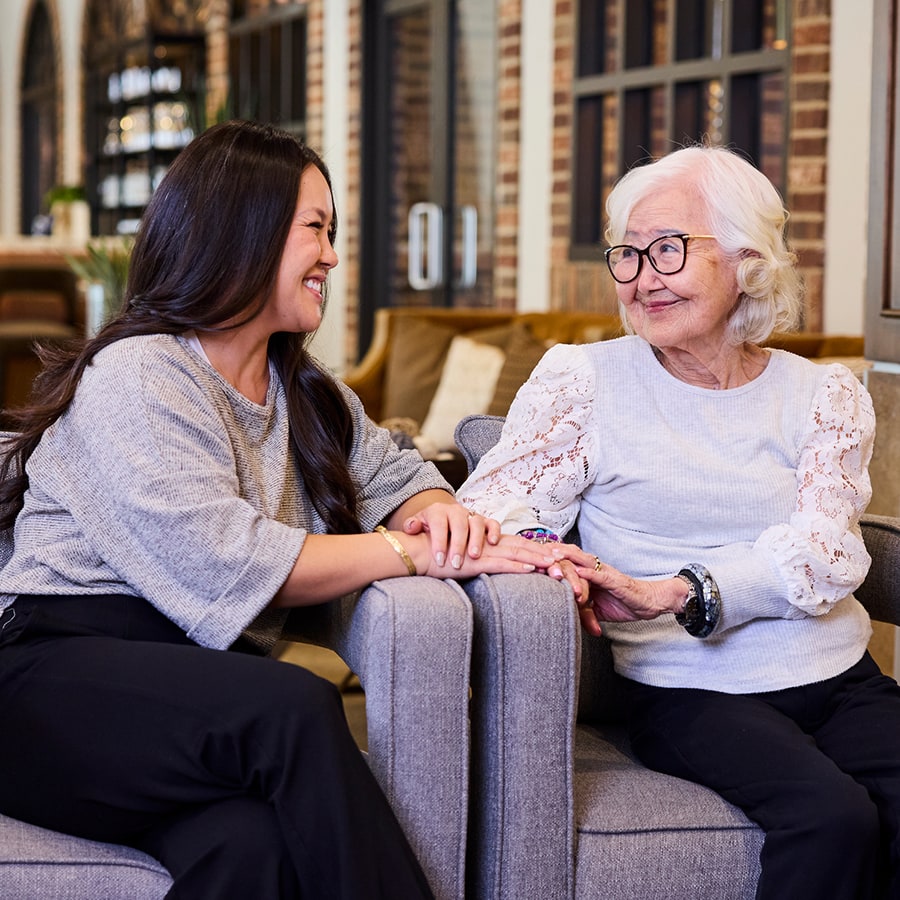
The first days in a new home set the tone for everything that follows. In a genuinely inclusive community, new residents aren’t handed a key and pointed to a room. They’re welcomed with personal touches that reflect who they actually are.
Team members take the time to learn names, personal preferences, and life stories before a resident even moves in. Knowing that someone prefers tea over coffee or loves jazz over classical might sound small, but those details send a clear message: you’re seen here.
Spaces Designed for Connection
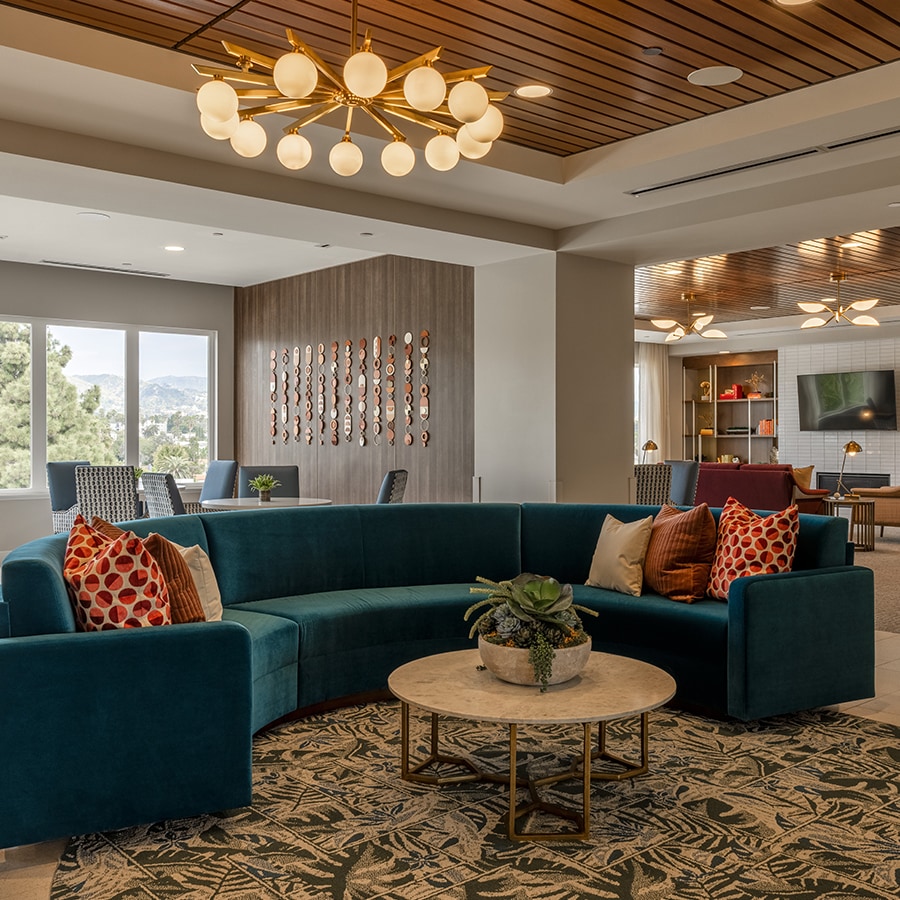
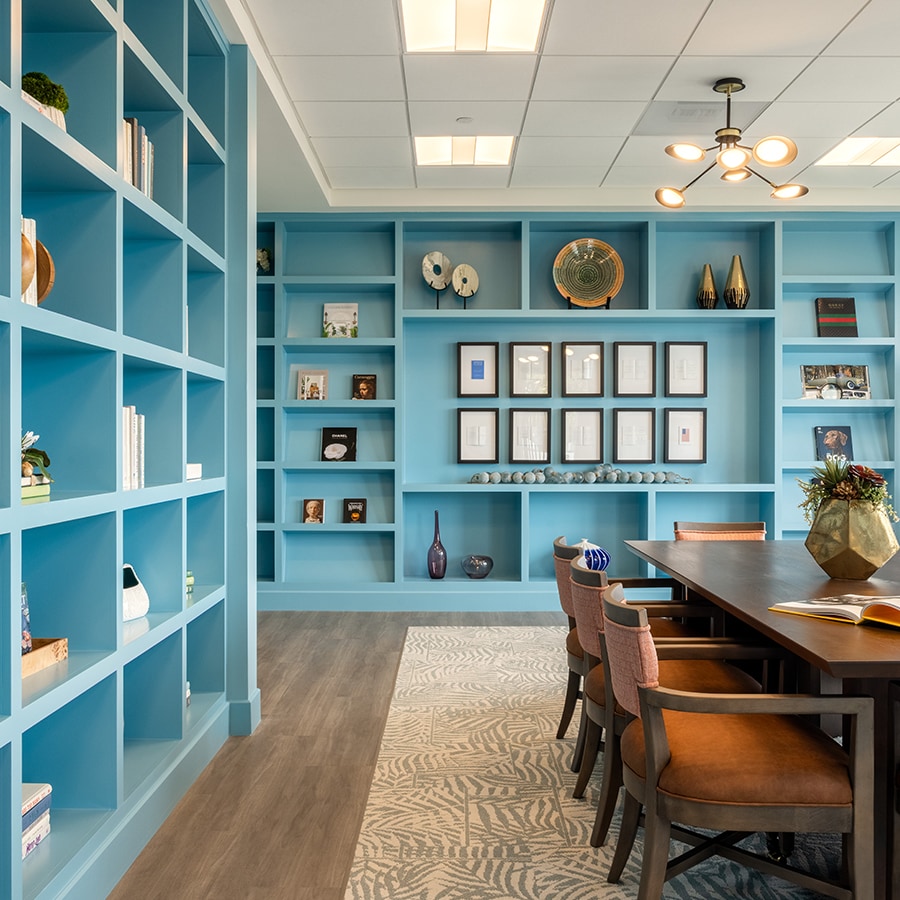
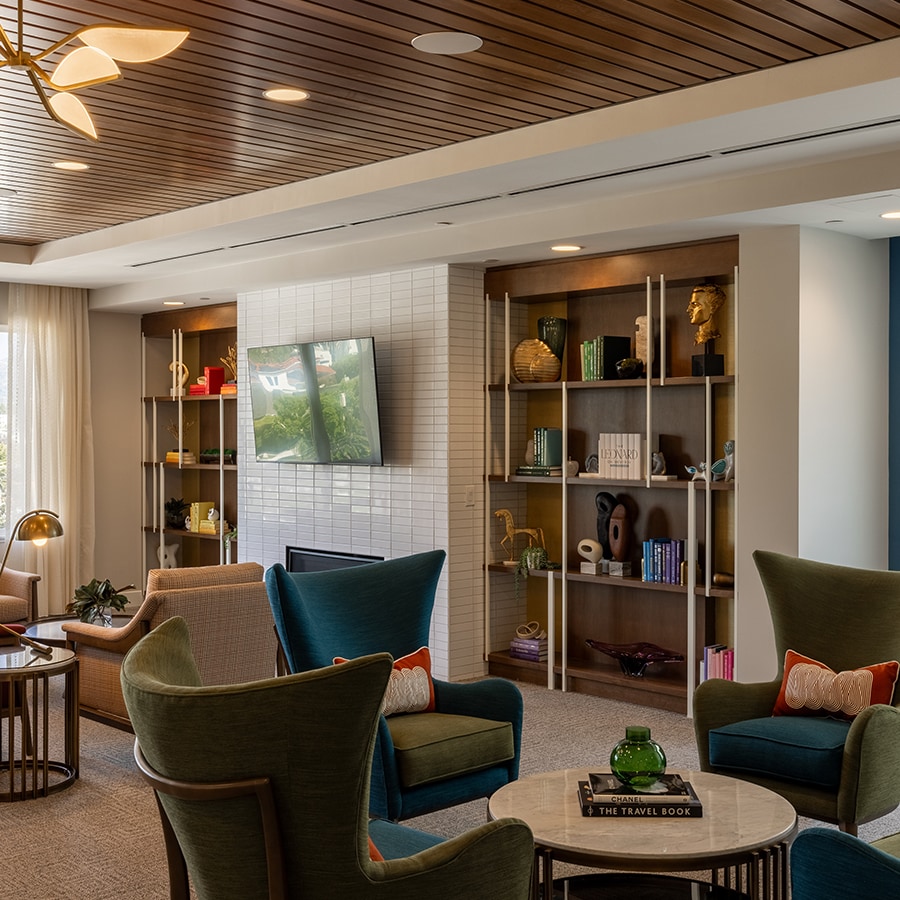
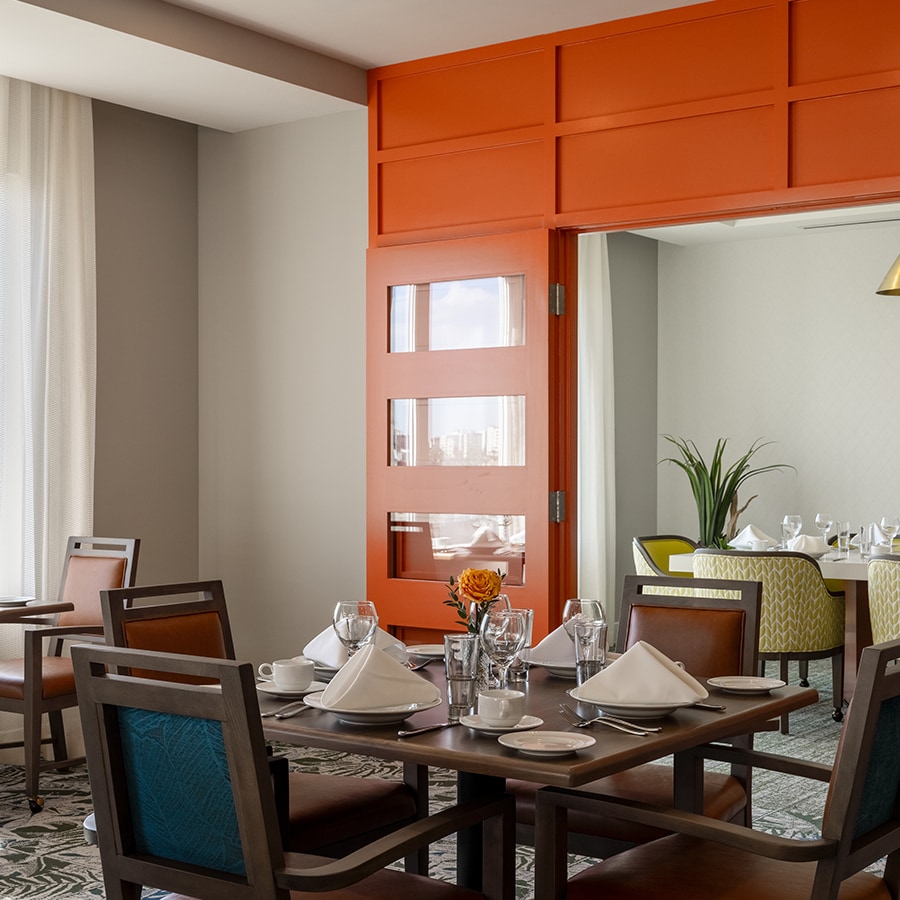
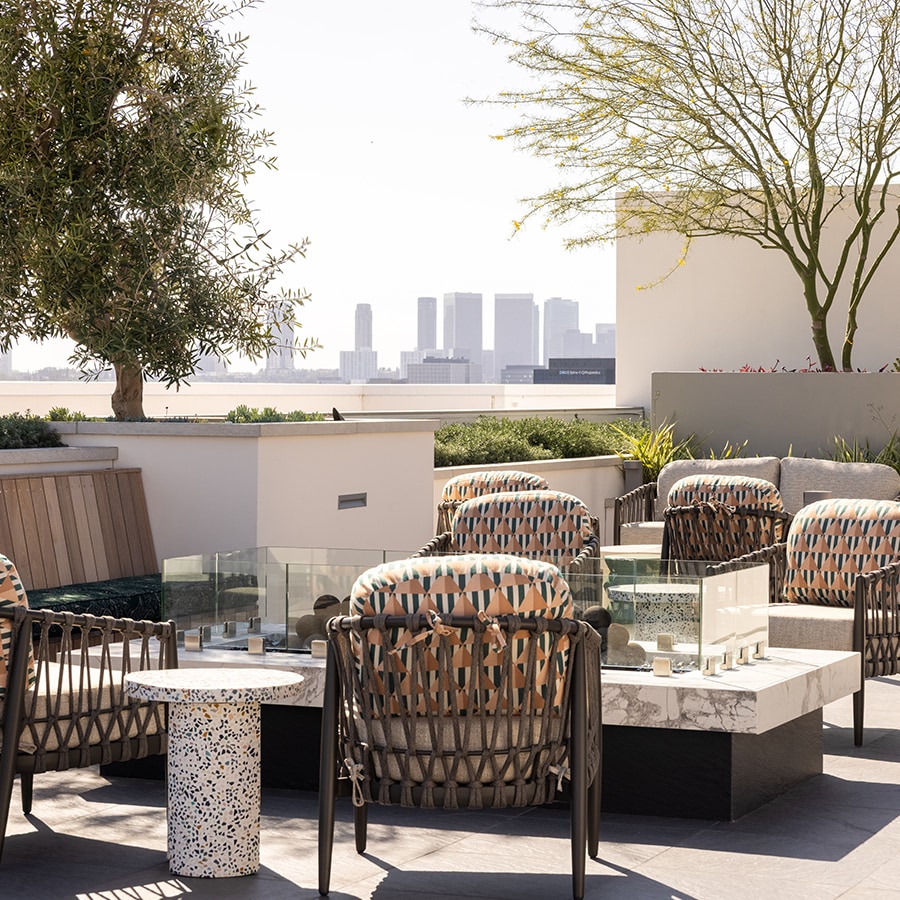
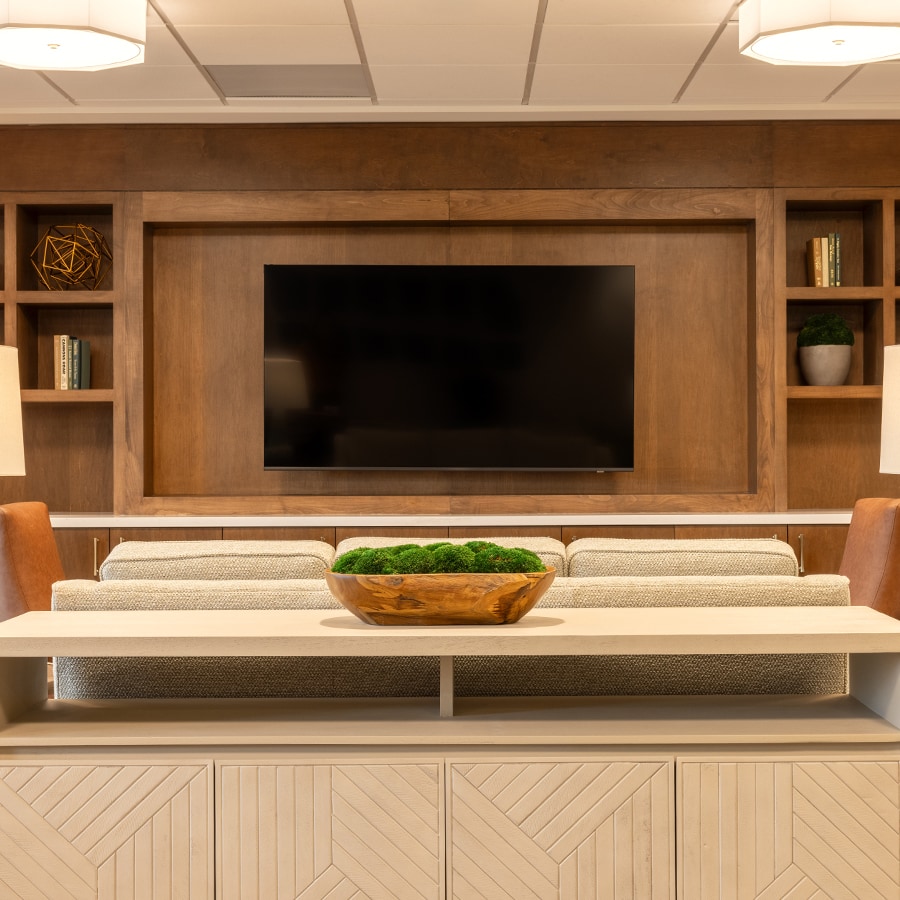
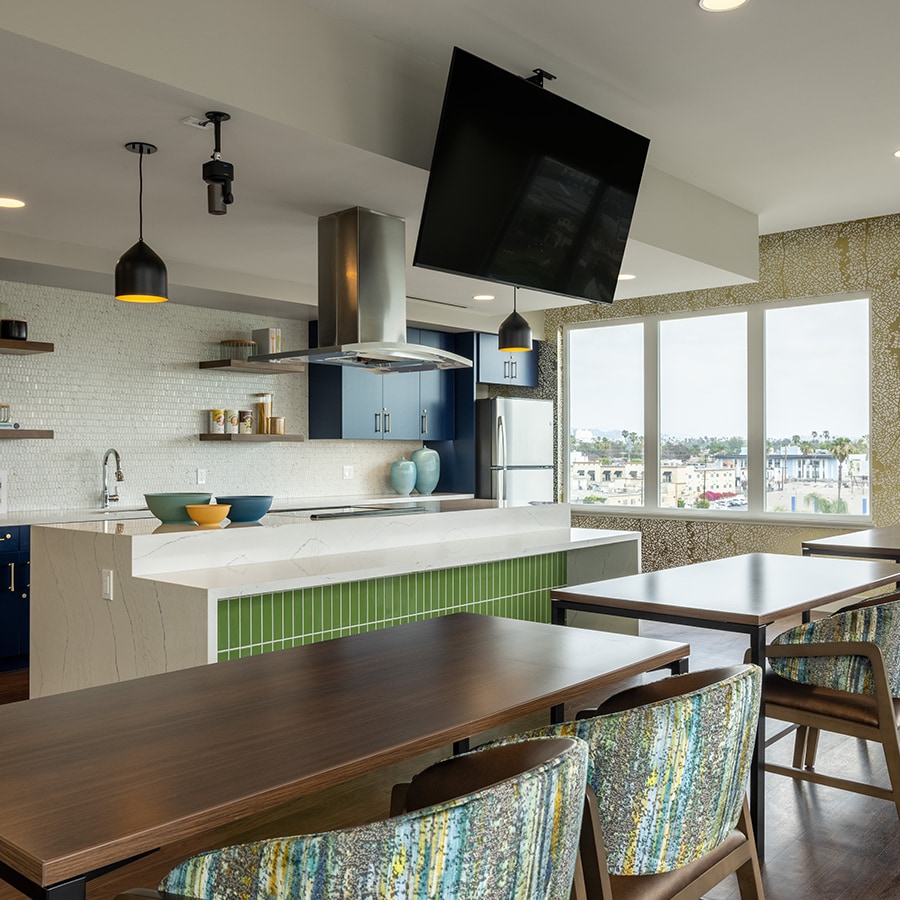
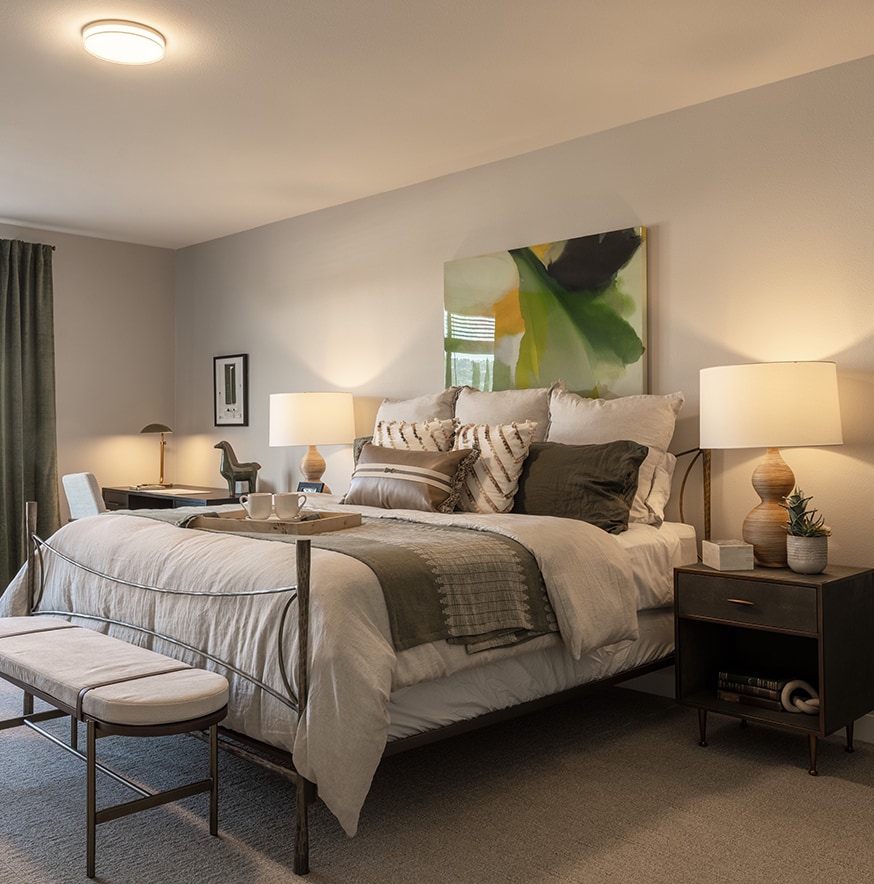
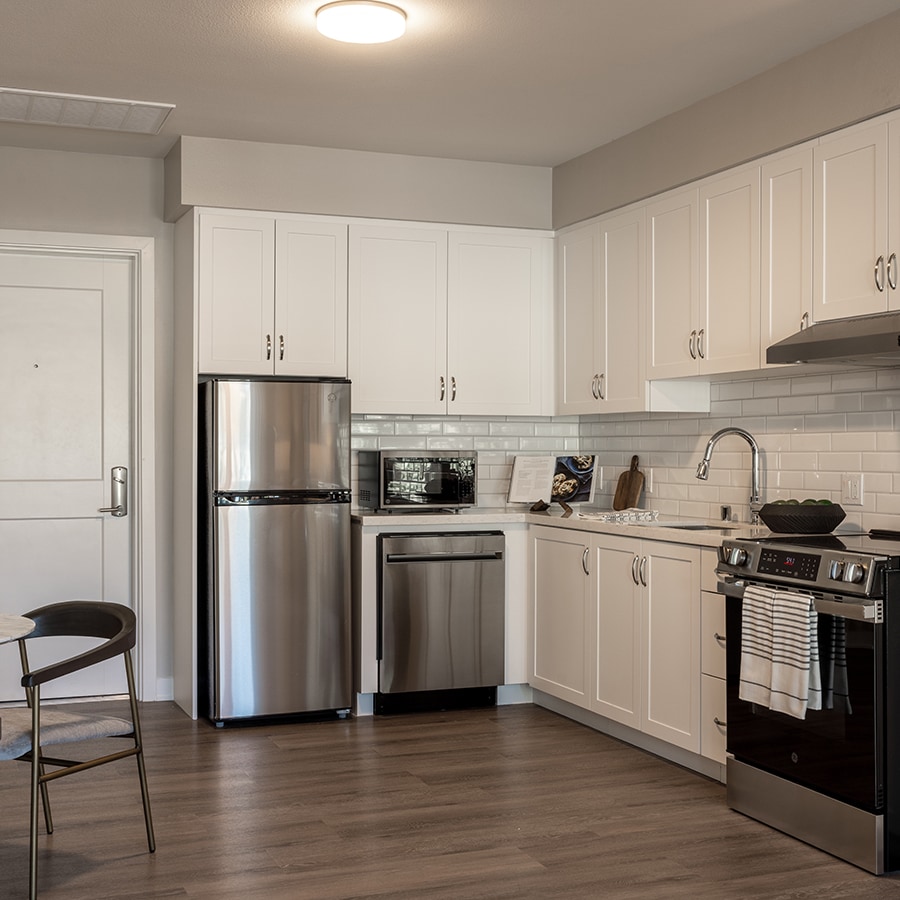
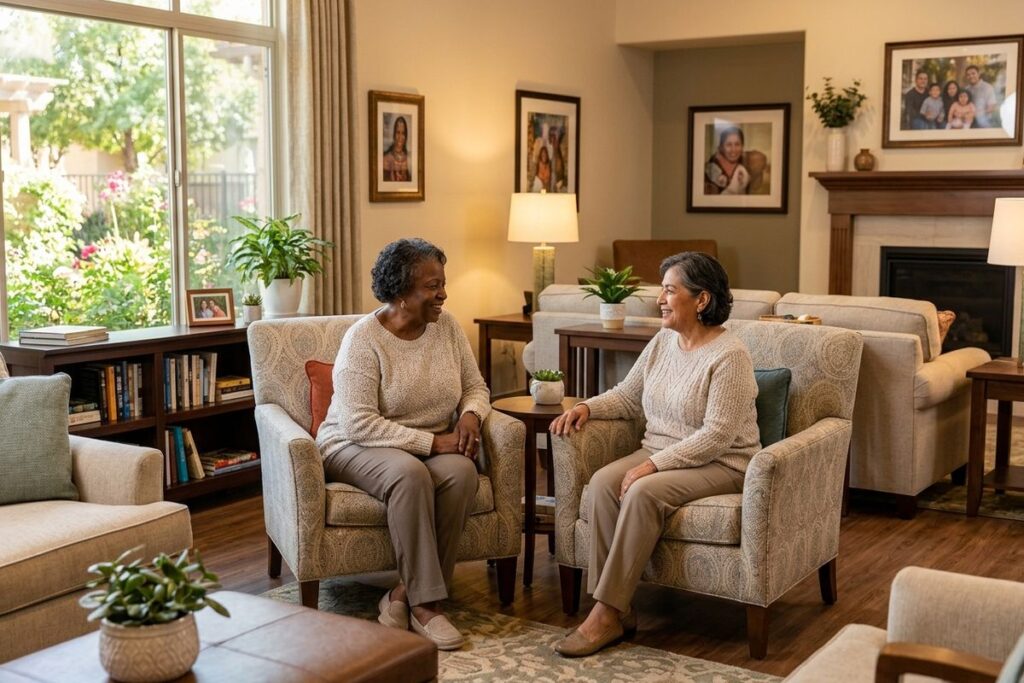
Physical spaces speak louder than any welcome packet. Common areas designed with warmth and intention naturally invite conversation, laughter, and those spontaneous moments of connection that make a place feel like a community. Comfortable seating arrangements, natural light, and inviting textures all play a role. You can get a feel for this by browsing gallery floor plans before your visit.
At the same time, privacy matters. A truly welcoming environment respects that some residents want quiet time in their own space. Both communal energy and personal retreat are part of a life well lived.
Culture, Identity, and Belonging in Assisted Living and Memory Support
Honoring Each Resident’s Unique Background
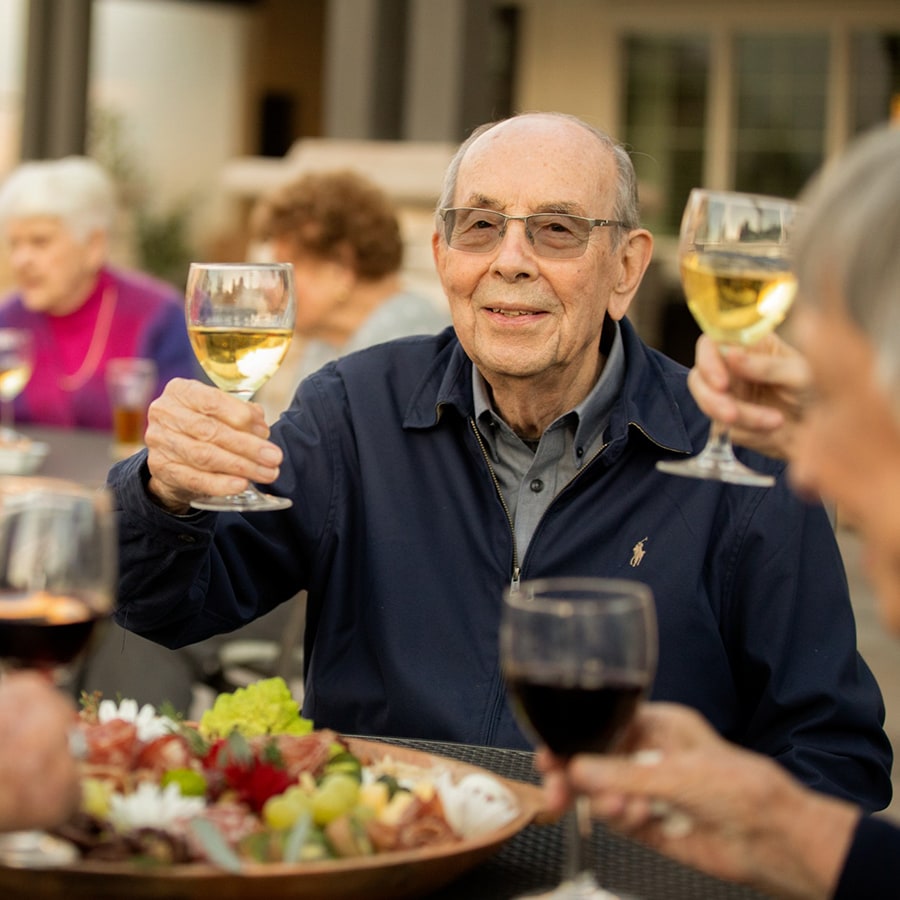
Food, traditions, and celebrations are deeply tied to identity. When a community serves culturally thoughtful dining experiences and marks meaningful holidays across different backgrounds, it signals that no one’s story gets left at the door. A resident who grew up celebrating Lunar New Year or Día de los Muertos should see those traditions reflected in community life.
In assisted living and memory support settings, personalized care plans go even further. They reflect individual values, routines, and preferences, not a generic checklist. When someone’s daily rhythm feels familiar, it brings comfort and confidence.
Meaningful Social Activities That Bring People Together
Programming that reflects the real diversity of residents creates natural opportunities for connection. Events tied to cultural heritage, faith traditions, and shared interests give people something genuine to gather around. It’s the difference between attending an event and actually wanting to be there. Research from the National Institute on Aging confirms that staying engaged in meaningful activities contributes directly to healthy aging.
Resident-led storytelling and community-driven programming take that a step further. When residents shape the activities themselves, the community becomes a reflection of the people living in it, not just a calendar of scheduled events. Browsing upcoming community events can give you a clear picture of how vibrant and varied that calendar actually looks.
How Team Members Foster a People-First Community
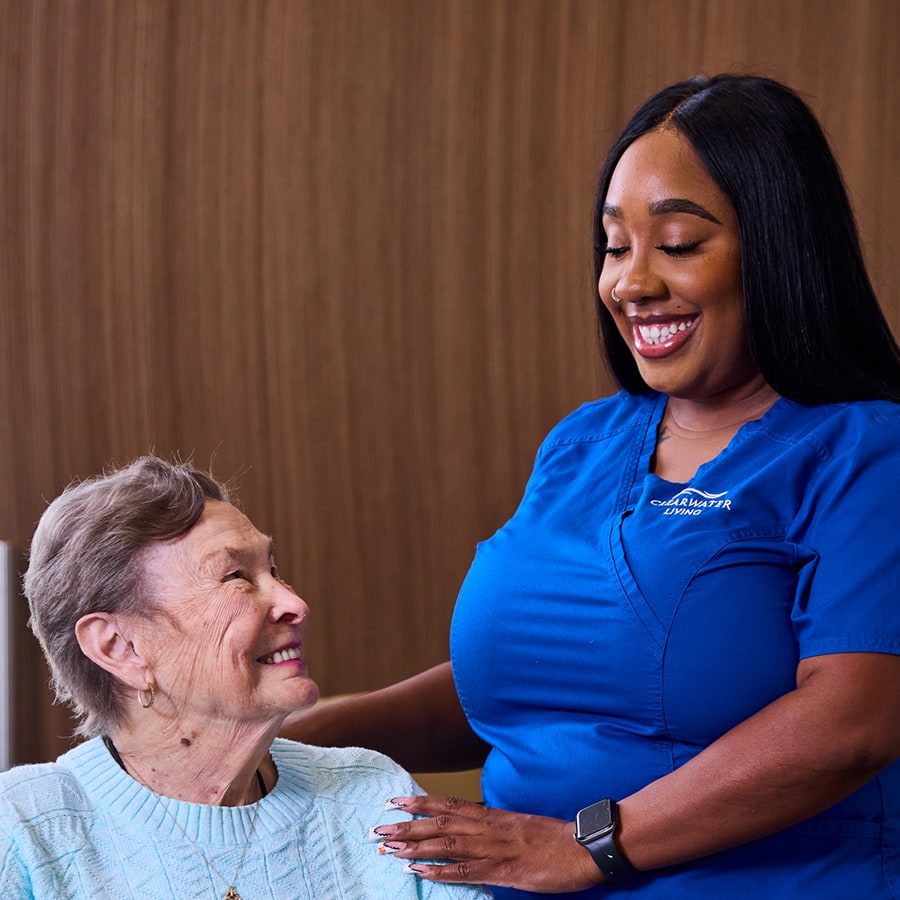
The way a team member speaks to a resident matters as much as what they do for them. Dignified, respectful language in every interaction isn’t a policy to follow. It’s a reflection of how the community views the people who live there.
Ongoing training in cultural awareness and inclusion keeps that standard consistent. Team members who understand different backgrounds, communication styles, and values are better equipped to make every resident feel genuinely respected. Meaningful social connection has a measurable impact on health, which is why team members also play an active role in connecting residents with neighbors who share common ground, helping friendships form naturally rather than leaving people to figure it out alone.
What to Look for When Choosing an Inclusive Senior Living Community
Questions Worth Asking on Your Tour
A tour is your best tool. Ask directly how the community celebrates diversity and identity throughout the year, not just during awareness months. Ask what independent living actually covers in terms of programming, dining variety, and personalized support.
Pay attention to how your questions are answered. Confidence and specifics are good signs. Vague answers or a pivot to marketing language are worth noting.
Signs a Community Truly Walks the Walk
Look at who’s there. Residents from varied backgrounds who seem engaged, comfortable, and connected tell you more than any brochure. Awards can reflect resident satisfaction, but your own observations carry the most weight.
Trust what you see and feel during a visit. A community that truly prioritizes belonging makes it obvious the moment you walk through the door. The Leonard on Beverly in Los Angeles brings together independent living, assisted living, and memory care in an environment where every resident’s story is genuinely celebrated. Reach out to schedule a visit and experience it for yourself.